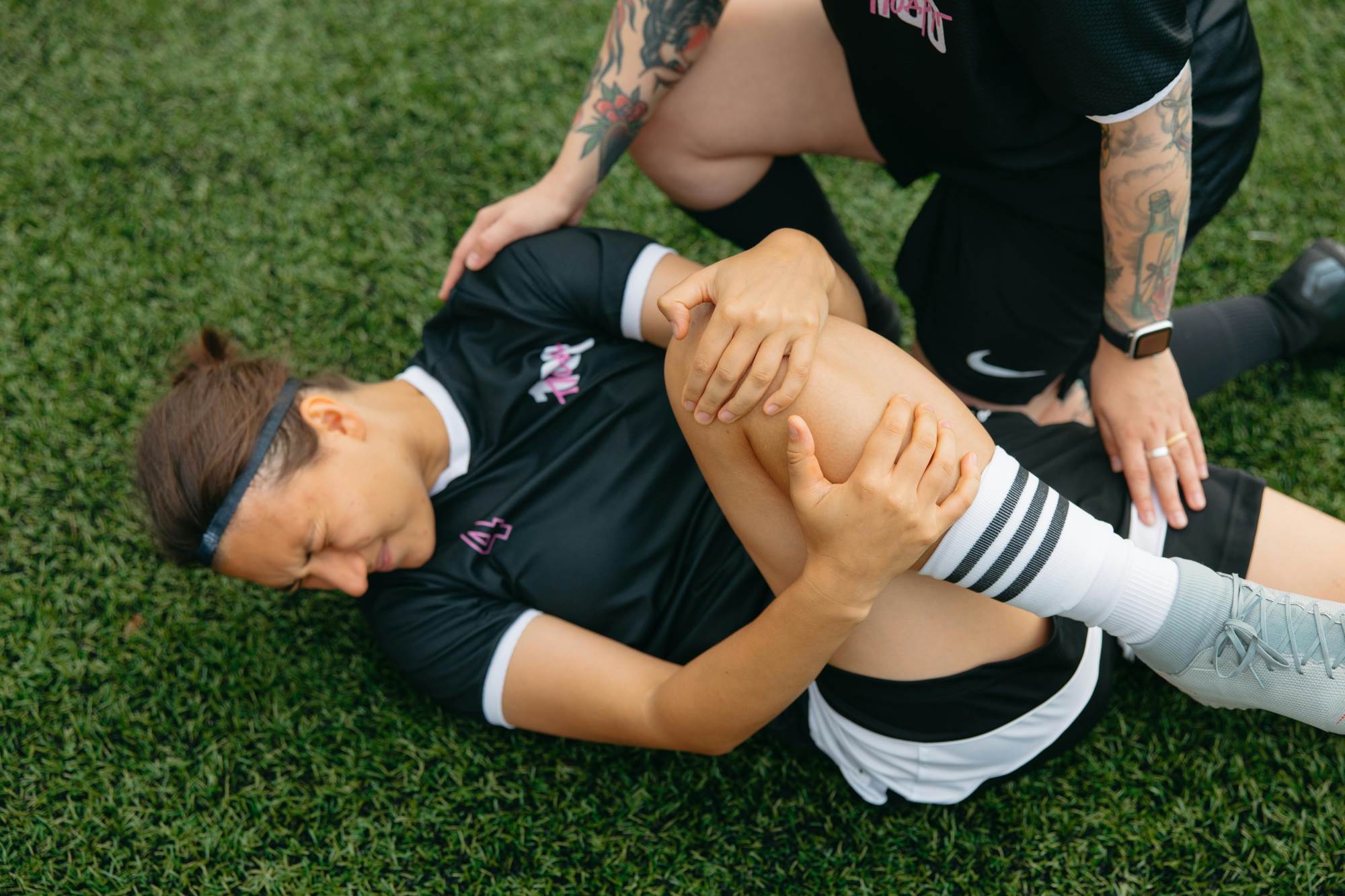
That sharp, burning pain and tenderness you experience on the outside of your knee is no fun. It is called iliotibial (IT) band syndrome, and many runners deal with this. It’s, in fact, one of the most common running injuries, making up 10% of the cases in runners.
IT band syndrome can sneak up on you gradually or appear suddenly mid-run. IT band syndrome doesn’t just affect elite athletes or marathoners. Weekend joggers, trail runners, and treadmill regulars can all experience it, especially when training loads increase too quickly.
The frustration is real, particularly when the pain disappears with rest only to return once you lace up again. However, IT band syndrome is manageable. Dive in to know how you can ease the pain, protect your knees, and get back to running comfortably and confidently.
What is IT Band Syndrome?
The IT band (ITB) is not a muscle but is a dense, fibrous sheath of connective tissue called fascia. These fibers are strong and do not stretch easily.
Two main muscles, the tensor fasciae latae and the gluteus maximus, control the tension in the band. When these muscles get tight, they pull on the band, which creates tension down the entire leg.
ITB occurs when the band becomes irritated. Repetitive friction and compression of the IT band over the lateral femoral epicondyle (the knee's bony bump) cause this syndrome.
The motion doesn't just rub but also compresses underlying fat pads and bursae. That leads to swelling and acute sensitivity. If ignored, the inflammation worsens, eventually making basic activities like walking or sitting painful.
How Runners Can Manage IT Band Syndrome
Here’s how you can manage IT band syndrome:
1. Adjust Your Training Routine
Rest is the first step in management. Running through the pain will increase the swelling in the fat pad. You need relative rest, meaning you must stop the things that hurt while still staying active.
When you return to running, go slowly. Do not jump back to your old distance. Start with short runs on flat ground. Avoid hills and sloped roads at first. If the pain returns, stop immediately.
Another trick is to take shorter steps. This is called increasing your cadence. Try taking about 5% to 10% more steps every minute. This helps you land softer and keeps your knee from bending at the angle that squishes the fat pad. Aim for 170 to 180 steps per minute.
2. Try Deep Tissue Massage
Chronically tight hip and glute muscles can pull the IT band taut.
Deep tissue massage can help relax the tight areas around your legs. Unlike traditional massage, it focuses on realigning your deeper muscle layers as well as connective tissues.
If you are training in a high-activity hub, you can easily find professionals for deep tissue massage. In Austin, for instance, the fitness sector has seen a huge surge in recent years. It’s the second healthiest city in the U.S. Residents often engage in running in scenic locations like Lady Bird Lake.
Austin deep tissue massage specialists understand the unique demands runners place on their bodies. Through their advanced massage techniques, they can target problem areas like the glutes, hips, quads, and hamstrings.
Don’t go to just any clinic, however. Look for licensed massage clinics.
According to Mantis Massage, massage therapists must complete 500 hours of training at a licensed school, whose curriculum covers anatomy, physiology, and pathology. Professionals must also clear the licensing exam.
Before you book a session, make sure to check the license of the Austin massage clinic on the Texas Department of Licensing and Regulation (TDLR) website. That helps you ensure that they meet all state requirements for legal practice and safety.
3. Focus on Strengthening the Right Muscles
Strength is the real secret to getting better. Most runners need to strengthen their hips and buttocks.
A study shows that strengthening the hips can reduce pain by 27% to 100% and improve function by up to 57% within two to eight weeks.
The clamshell is the best exercise for hip strength. It works the gluteus medius muscle, which helps stabilize the pelvis. To do it, lie on your side with knees bent and feet together. Lift your top knee as high as possible without rolling your hips back, then lower it slowly.
Side-lying hip abduction is also great for the hips. These work the muscles on the outside of your butt. Lie on your side with legs straight. Keeping your toes pointed forward, lift your top leg 6 to 8 inches toward the ceiling, then lower it with control to maximize muscle engagement.
Lateral band walks help with balance while you move. Place a resistance band above your knees or around your ankles. With slightly bent knees and toes pointed forward, step sideways and follow with the other foot.
Conclusion
Dealing with IT band syndrome can be frustrating, especially when running is your stress relief, social time, or personal escape. But this injury isn’t a dead end. Follow these tips, and you can come back stronger, more efficient, and more resilient than before.
Remember that recovery isn't linear. You might have a great week followed by a minor setback; this is normal. Listen to your body, stay consistent with your strengthening work, and resist the temptation to ramp up your running too quickly. You will be back on the trails soon.
